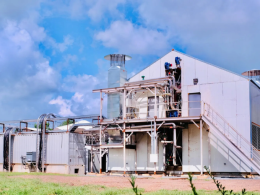
Researchers from four different universities have conducted a study that helped identify optimal spots for deploying electrochemical marine carbon dioxide removal (mCDR) technologies across the United States.
The study united researchers from the University of Houston, Columbia University, the University of California (UC Davis), and the University of California (Los Angeles).
Carbon removal technologies such as mCDR will act as vital complementary tools to emissions reductions in the fight against global warming. Marine or ocean-based CDR technologies leverage the ocean’s natural CO2-absorbing capacity, developing systems that can tackle the accumulated atmospheric carbon dioxide emissions.
Electrochemical mCDR technologies (e-mCDR) in particular include pathways such as direct ocean capture (DOC), ocean alkalinity enhancement (OAE), and hybrid solutions that combine elements of these two approaches.
Through this study, the researchers focused on identifying, evaluating, and ranking potential hubs along the U.S. coast that could host e-mCDR systems based on hybrid approaches, leveraging regional assets and existing seawater intake infrastructure, such as seawater desalination plants.
As a result of this work, the research team was able to pin down five high-potential regional hubs: Northeast, Southeast, South, West, and Northwest.
Each of these hubs was assessed against seven key criteria, including the location’s potential carbon removal capacity, the electricity costs, the carbon “cleanness” of the regional energy system, local emissions level, hydrogen-handling infrastructure readiness, the diversity of sites, and the social vulnerability index of citizens.

Relevant: Carbon180, The Carbon Business Council & Ocean Conservancy Launch New mCDR Forum
Evaluating each site through these parameters, the study indicated that the South hub, which covers the Texas and Louisiana coastlines, as well as the Big Houston industrial district, would be the best e-mCDR deployment location. Following suit behind it are the West hub, which includes the Californian coastline districts, and the Northeast hub.
With this study now at hand, the research team believes that the next logical step would be launching pilot and demo projects in the clusters highlighted for having the highest e-mCDR deployment potential.
The complete study was published in Nature and can be accessed here.
Read more: [C]Worthy Secures New ORCA & PJMF Support To Scale Open-Source mCDR Tools