Svante and the Meadow Lake Tribal Council (MLTC) have secured a long-term offtake agreement with Microsoft for the delivery of 626,000 tons of carbon removal credits from a bioenergy with carbon capture and storage (BECCS) project in Saskatchewan.
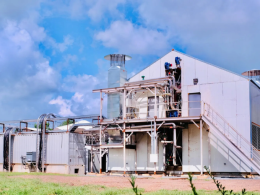
The agreement, spanning 15 years, will see credits generated by the North Star project, a joint initiative developed through MLTC and Svante’s subsidiary, Carbon Alpha. The facility will be co-located with the MLTC Bioenergy Centre, which produces renewable power using waste biomass sourced from local forestry operations.
At full capacity, the carbon capture installation is expected to generate up to 90,000 tons of durable carbon removal credits annually. The captured CO2 will be transported and permanently stored in geological formations, forming a fully integrated value chain from capture to sequestration.
Long-term offtake supports project viability
The deal highlights the growing role of advance purchase agreements in enabling large-scale carbon removal projects. By committing to long-term credit purchases, buyers such as Microsoft provide revenue certainty that can help unlock financing and support final investment decisions.
The North Star project is designed to meet established carbon removal standards, with monitoring, reporting, and verification (MRV) systems in place to ensure the durability and integrity of stored emissions.
The use of waste biomass as a feedstock further positions the project within the BECCS category, which combines renewable energy generation with permanent carbon removal.
Relevant: Svante Advances New BECCS Project At US Paper Mill
Construction is expected to move forward later this decade, with operations targeted to begin around 2029. In the interim, Svante will fund development activities until a final investment decision is reached.
Beyond its climate implications, the project is also expected to deliver local economic benefits, including job creation during both construction and operations. It reflects a broader trend of Indigenous-led or partnered carbon removal initiatives, particularly in regions with access to biomass resources and suitable storage geology.
As demand for high-quality, durable carbon removal credits continues to grow, agreements of this scale signal increasing market maturity and the importance of long-term commercial partnerships in bringing projects online.
Read more: Carbon Capture Project Secures $53M Swiss Backing As Climate Funds Start Flowing