China is accelerating its efforts to combat climate change by introducing a series of new regulations and standards to reduce the nation’s carbon footprint.
The country’s top economic planning agency announced plans to establish 70 national standards this year to govern carbon footprints, energy efficiency, and carbon capture technologies.
These new standards aim to provide a clear framework for businesses and industries in China to measure and reduce their carbon emissions.
Relevant: Clean Energy Accounts For The Majority Of China’s GDP Growth In 2023
In addition, China has set a goal of creating 100 pilot programs for carbon emission management by 2025.
These initiatives are key components of the nation’s broader strategy to reach peak carbon emissions and ultimately achieve carbon neutrality.
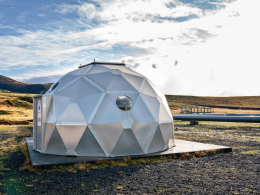
This latest development marks yet another in the country’s major strides towards reducing its climate impact, following recent news of the successful testing of CarbonBox – China’s very own direct air capture (DAC) facility.
Relevant: CarbonBox – China’s Own Direct Air Capture Tech Passess Reliability Test
Developed collaboratively by Shanghai Jiao Tong University (SJTU) and China Energy, each module is capable of pulling more than 100 metric tons of CO2 directly from the atmosphere annually, producing a 99 percent pure CO2 product.
China has also been making significant progress in the development of carbon capture technologies, and approved a set of regulations aimed at standardizing the country’s emissions trading systems (ETS) in early 2024.