


TA Securities anticipates that carbon capture technologies (CCTs) in Malaysia will attract over $10 billion in capital expenditures by 2030, aligning with the government’s ambitious National Energy Transition Roadmap (NETR) target of capturing 40-80 million tons of carbon dioxide per year.
The research firm emphasized the substantial economic potential of implementing carbon capture and storage (CCS) and carbon capture, utilization, and storage (CCUS) technologies in a recent report.
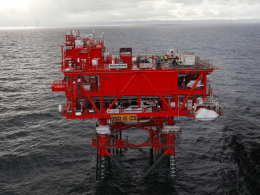
Past projects, such as the Kasawari project, have demonstrated the significant investment required, with an estimated $1 billion outlay.
TA Securities believes that the growth of CCTs will be driven by various sectors, particularly with the support of blended financing models and strategic public-private partnerships.
While acknowledging that current projects may have limited immediate financial returns, the firm highlighted the long-term economic and environmental benefits.
The development of a robust carbon trading market is seen as a crucial avenue for generating revenue. By monetizing captured carbon, Malaysia can position itself as a key player in the burgeoning global carbon market.
Relevant: RINA And PETRONAS CCS Solutions To Support Major Carbon Capture Project In Malaysia
Furthermore, TA Securities emphasized the critical role of CCS and CCUS in mitigating Malaysia’s greenhouse gas emissions.
The Kasawari CCS project, for instance, is projected to reduce emissions by approximately 1% annually. Scaling similar initiatives could potentially lead to a 10% reduction in national emissions by 2030, aligning with the country’s climate commitments.
The firm strongly asserted that CCS and CCUS technologies are no longer optional for Malaysia’s oil and gas sector. Their adoption is crucial for ensuring the sector’s long-term sustainability and competitiveness in the rapidly evolving global energy landscape.
Relevant: ADNOC, PETRONAS And Storegga To Develop Carbon Capture In Malaysia
TA Securities highlighted Malaysia’s favorable geological conditions, citing research from McKinsey & Company. Many of the country’s mature gas fields possess ideal characteristics for CO2 storage, including suitable structural integrity and the potential to repurpose existing infrastructure.
Leveraging this geological advantage, Malaysia can establish itself as a regional hub for CCS. The Malaysian Petroleum Management has identified over 46 trillion cubic feet of potential CO2 storage capacity across 16 depleted fields, further solidifying the country’s potential.
The NETR and the New Industrial Master Plan (NIMP) 2030 provide a strong policy framework for the development of CCS and CCUS in Malaysia. These plans emphasize the integration of these technologies into national decarbonization strategies, fostering an environment conducive to investment and innovation.