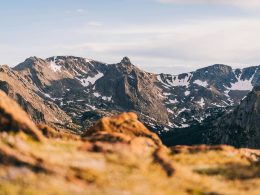
One of the largest wildfires in the history of California has ravaged vast tracts of forestland designated for conservation under carbon credits initiatives backed by oil refiners and power companies.
The Park Fire, which has scorched approximately 450,000 acres, has destroyed nearly 45,000 acres of trees enrolled in California’s carbon offset program, according to estimates from the non-profit research group CarbonPlan.
Additional fires earlier this year also impacted over 29,000 acres of forestland in Washington state and New Mexico that are part of California’s carbon credit scheme.
Major oil corporations, including Chevron, Shell, and BP, are among the purchasers of these credits.
Relevant: Forest Carbon Offset Project In Canada Damaged By Raging Wildfires
The extent of the wildfires and their destruction of conserved forests has raised concerns about the sustainability of carbon credit forestry projects in fire-prone regions.
California’s program includes a “buffer pool” of unsold credits to replace losses from wildfires, pests, drought, or other unforeseen events. Every project contributes 10-20% of its credits to this pool.
However, researchers are worried that the buffer pool is insufficient to address the scale of recent wildfires.
CarbonPlan analysis indicates that approximately 6.6 million buffer pool credits are allocated to replace fire-damaged forests over the next 100 years. Yet, wildfires have already consumed around 11 million buffer pool credits in the past decade, diverting resources intended for other risks to cover fire losses.
Relevant: Forests Emit CO2 Long After Wildfires, New Study Finds
The California Air Resources Board, which oversees the program, maintains that the overall buffer size is adequate, with a balance of nearly 28 million credits.
But Grayson Badgley of CarbonPlan has a different opinion: “The scale and frequency of these fires have me concerned that the buffer components have not been appropriately set.” Badgley also recommends halting carbon credit project approvals in high-risk fire areas.
California is experiencing an unusually severe fire season, with acreage burned significantly exceeding the five-year average, despite the number of fires being in line with historical trends.
The state’s forestry and fire authorities attribute this to a combination of extreme heat and an abundance of vegetation following a wet winter and spring.