
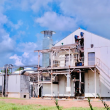


BKV Corporation has partnered with a major midstream energy provider to construct a carbon capture and storage (CCS) facility at an existing natural gas processing plant in southern Texas.
This alliance demonstrates BKV’s dedication to lowering its environmental impact by creating economically viable CCS solutions and establishes a foundation for future joint ventures.
Located near Freer, Texas, the gas plant handles production from the Eagle Ford Shale. The agreement stipulates that BKV will acquire the carbon dioxide (CO2) byproduct from the plant.
This CO2 will then undergo compression, transportation, and permanent underground storage using BKV’s injection well at a neighboring location. BKV will own the environmental credits generated by this CCS initiative.
The Texas Railroad Commission has already greenlit the project’s Class II injection well, and a monitoring, reporting, and verification (MRV) plan is currently under review by the Environmental Protection Agency (EPA).
Pending all necessary permits, operations are slated to begin in early 2026. Upon commencement, the facility is projected to sequester roughly 90,000 metric tons of CO2 equivalent annually.
Relevant: BKV And EnLink Midstream Commence Initial CO2 Injection From Natural Gas Plant
This new CCS facility expands BKV’s carbon capture, utilization, and storage (CCUS) assets.
These holdings include the operational CCS site at the company’s Barnett Zero location in northern Texas, as well as the Cotton Cove CCS project, which has also reached FID and anticipates commencing initial sequestration activities in the first half of 2026.
“This new CCS project addition to our portfolio further demonstrates our commitment to achieving net-zero emissions from our owned and operated upstream and natural gas midstream businesses and showcases the execution of our differentiated business model to make this vision a reality,” said Chris Kalnin, Chief Executive Officer of BKV.
“Collaborating with one of the largest energy companies in the United States is critical for advancing our closed loop, net-zero strategy of deploying profitable CCUS assets. We are thrilled at the opportunity to continue deployments of our emissions reduction technology.”
Read more: Texas Seeks Primacy For Carbon Capture And Storage Permitting